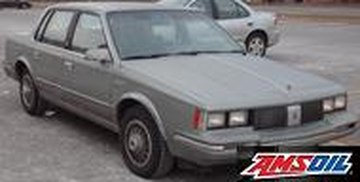
Maintaining Lubrication Standards for the 1982 Oldsmobile CIERA 2.8L
Proper engine maintenance is a cornerstone of long-term vehicle health, particularly when managing an engine that has been in operation for several decades. For the 1982 Oldsmobile CIERA equipped with the 2.8L engine, consistent attention to lubrication and routine inspections can help ensure the mechanical components continue to operate as intended.Monitoring Fluid Integrity and Potential Leaks
One of the most effective ways to monitor the health of an engine is through regular visual inspections for fluid integrity. Over time, various seals and gaskets may experience changes in their ability to maintain a tight seal. When performing routine checks, it is useful to look for any signs of seepage or active leakage around the engine block and associated components. If you notice dark staining or wet spots on the underside of the engine or on driveway surfaces, these can be indicators that a seal or gasket may require attention. It is important to note that many different factors can cause fluid to appear on the exterior of an engine; therefore, any new sign of leakage should be investigated to determine its exact source. Observing whether a leak is a slow seep or a more active drip can help in prioritizing necessary repairs. Beyond just looking for oil, checking other vital fluids during these inspections is a prudent practice. Ensuring that coolant levels are stable and that there are no visible signs of leaks from the cooling system can prevent overheating issues. A holistic approach to fluid monitoring provides a clearer picture of the overall condition of the vehicle's mechanical systems.Observing Changes in Engine Performance and Indicators
While visual inspections are vital, paying attention to how the engine behaves during operation is equally important. Owners should remain observant of any changes in the way the 2.8L engine sounds or runs. Unusual mechanical noises—such as tapping, knocking, or rhythmic clicking—warrant a professional inspection to rule out internal issues. Additionally, keep an eye on the dashboard for any warning indicators. If an oil-related light or other engine warning lamp illuminates, it should be treated with immediate attention. Such indicators can stem from various causes, ranging from sensor issues to actual changes in fluid levels or pressure. Changes in exhaust characteristics are also worth noting. While certain colors of smoke can be associated with different mechanical states, any sudden or persistent change in the appearance of exhaust gases should be investigated. Because symptoms like unusual odors or sounds can have multiple underlying causes, they should serve as prompts for a thorough diagnostic check rather than being used to pinpoint a specific failed part without further testing.Prioritizing Maintenance Based on Current Condition
As vehicles age, the approach to maintenance often shifts from strictly following a calendar-based schedule to a more condition-based strategy. For an older vehicle like the 1982 Oldsmobile CIERA, this means using the actual state of the components to decide where to focus your efforts and budget. If you are stepping into ownership of a vehicle with an incomplete service history, establishing a maintenance baseline is a logical first step. This involves performing a comprehensive inspection of all major systems—including belts (if equipped), hoses, and electrical connections—to understand what has been maintained and what may be nearing the end of its service life. Rather than replacing parts simply because they are old, focus on addressing active concerns first. An active leak or a belt that shows signs of cracking or glazing should take precedence over other non-essential tasks. By distinguishing between necessary preventive maintenance and unnecessary part replacement, you can manage the vehicle more efficiently while ensuring its continued reliability.Managing Aging Components and Materials
The materials used in engine compartments, such as rubber hoses and various belts, are subject to environmental factors and heat cycles that can cause them to degrade over time. When inspecting these components, look for signs of physical deterioration:- Hoses: Check for any evidence of hardening, cracking, or bulging. Soft or excessively spongy hoses may indicate a loss of structural integrity.
- Belts: If the engine is equipped with accessible drive belts, inspect them for fraying, glazing (a shiny appearance), or deep cracks within the ribs.
- Electrical Connections: Inspect wiring and connectors for signs of corrosion or brittle insulation, which can affect the performance of various engine sensors and systems.
The Importance of Detailed Service Records
Maintaining a thorough history of all repairs, fluid changes, and inspections is one of the most valuable tools for any vehicle owner. For a 1982 Oldsmobile CIERA, having a documented trail of what has been done—and when—provides several advantages:- Identifying Patterns: Records can help you see if a specific component or seal is repeatedly requiring attention, which might suggest a deeper issue.
- Informed Decision Making: When it comes time for significant repairs, knowing the age and condition of previously replaced parts helps in estimating costs and necessity.
- Establishing Baseline Health: If you know exactly when the last major service was performed, you can more accurately judge if current maintenance is due.